Buy iwbq.com ?
We are moving the project
iwbq.com .
Are you interested in purchasing the domain
iwbq.com ?
domain@kv-gmbh.de · 0541-91531010
Buy iwbq.com ?
How do you ride the piaffe?
Riding the piaffe requires the rider to have a strong and balanced seat, as well as a clear and independent aids. The rider must use their legs to ask the horse to maintain a rhythmic and elevated trot in place, while also using their seat and hands to maintain the horse's balance and impulsion. It is important for the rider to have a deep understanding of the horse's natural movement and to be able to communicate effectively with the horse to achieve the desired piaffe. Consistent and patient training is also essential to develop the strength and coordination needed for the horse to perform the piaffe correctly. **
How should I teach my horse the piaffe?
Teaching a horse the piaffe requires patience, consistency, and proper training techniques. Start by establishing a strong foundation in basic dressage movements and ensuring your horse is responsive to your aids. Break down the piaffe into smaller steps, such as teaching your horse to lift its legs in place and then gradually adding more steps. Use positive reinforcement, such as treats or praise, to reward your horse for correct responses. It is also important to seek guidance from a qualified dressage trainer to ensure you are using the correct techniques and to monitor your progress. **

Similar search terms for Piaffe
Top-Angebote
Products related to Piaffe:
-
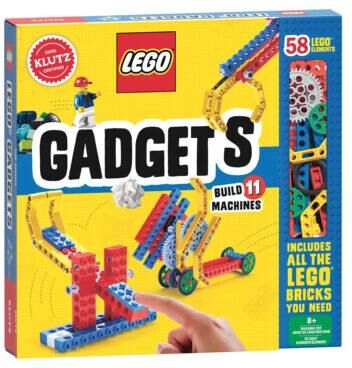
Klutz: LEGO GadgetsThis activity kit will have you building 11 machines including a gravity powered car and a wacky boxing robot. The fun doesn't stop once you've completed all of the projects in the book - open-ended prompts will inspire you to continue experimenting...24,99 $*Shipping: 0,00 $Secure redirect to the provider
-
Sesderma Reti Age 5 Liposomal Serum Anti-Aging Innovation 30mLA facial serum for wrinkles and signs of ageing. Reduces wrinkles and fine lines. Hydrates and strengthens barrier. Restores youthful radiance. 5-Retinoid System: smooths wrinkles, accelerates renewal, and boosts collagen. Biomimetic Peptides: fill expression lines by stimulating collagen synthesis.53,26 £*Shipping: 5,22 £Secure redirect to the provider
-
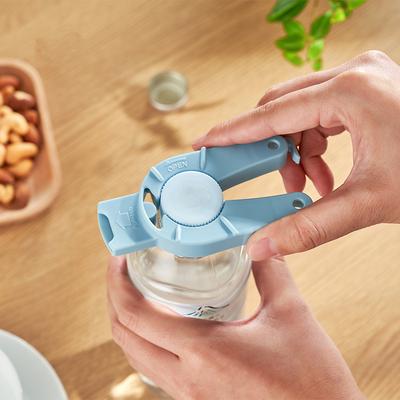
Multisell Products Hub Magnetic Bottle Opener For Household Mineral Water Plastic Beverage Bottles And Cap Opening, Kitchen Accessories Gadgets blueEffortless Cap Opening for Everyday Kitchens Upgrade your routine with this 1 pcs Kitchen Accessories Gadgets Magnetic Bottle Opener for Household Mineral Water Plastic Beverage Bottles and Cap Opening designed for convenience and comfort. It makes...34,97 $*Shipping: 0,00 $Secure redirect to the provider
-
Hikmicro MINI2 V2 Thermal Imaging Camera for SmartphonesHikmicro MINI2 V2 Thermal Imaging Camera for Smartphones (Mini2-Series-V2) The Hikmicro MINI2 V2 Thermal Imaging Camera turns a smartphone into a professional thermal imager. With its high-resolution 256 x 192 VOx sensor (49,152 pixels) and SuperIR image enhancement, it produces clear thermal images for diagnostics, inspections and everyday problem-solving. Suited to HVAC engineers, electricians, plumbers, homeowners and hobbyists, the MINI2 V2 is compact, lightweight and battery-free, powered directly from the connected phone. It measures -20°C to 400°C for reliable results across a wide range of applications, with no screen of its own — all viewing and control happens through the smartphone via the HIKMICRO Viewer app. Key Features & Benefits High Thermal Resolution:186,00 £*Shipping: 0,00 £Secure redirect to the provider


-
What are the differences between Piaffe and Passage?
Piaffe and Passage are both advanced dressage movements performed by a horse, but they have distinct differences. The piaffe is a highly collected and elevated trot in place, where the horse lifts its legs off the ground and maintains a rhythmic, cadenced movement. In contrast, the passage is a highly collected and elevated trot with a longer stride, where the horse exhibits more forward movement and suspension. The piaffe is performed in place, while the passage has a more forward and dynamic quality. Both movements require strength, balance, and precision from the horse, but they have different characteristics and purposes in dressage. **
-
What is the difference between bending and piaffe?
Bending and piaffe are both movements in dressage, but they are different in their execution and purpose. Bending refers to the lateral flexion of the horse's body, where the horse is asked to flex its body around a curved line, usually in a circle or a serpentine. This helps to supple the horse's body and improve its flexibility. On the other hand, piaffe is a highly collected and elevated trot in place, where the horse lifts its legs off the ground and maintains a rhythmic, cadenced movement. Piaffe is a highly advanced movement that requires a great deal of strength and balance from the horse. **
-
Where do passage, piaffe, lateral movements, etc. occur in a horse's natural behavior?
Passage, piaffe, lateral movements, and other advanced dressage movements do not occur naturally in a horse's behavior in the wild. These movements are highly trained and refined exercises that are taught to horses through dressage training. In their natural behavior, horses may exhibit some lateral movements for communication or evasion purposes, but they do not perform the collected and controlled movements seen in dressage. **
-
Where do Passage, Piaffe, Lateral movements, etc. occur in a horse's natural behavior?
Passage, piaffe, lateral movements, and other high-level dressage movements do not occur naturally in a horse's behavior in the wild. These movements are highly trained and refined exercises that are developed through years of training and practice. In the wild, horses may exhibit some similar movements such as trotting, cantering, and moving laterally to avoid obstacles or communicate with other horses, but the precision and collection required for dressage movements are not part of their natural repertoire. **


Where do Passage, Piaffe, lateral movements, etc. occur in a horse's natural behavior?
Passage, piaffe, lateral movements, and other advanced dressage movements do not occur naturally in a horse's behavior in the wild. These movements are developed through training and are not typically seen in a horse's natural repertoire of movements. Horses in the wild may exhibit some lateral movements for communication or evasion purposes, but the highly collected and controlled movements seen in dressage are a result of specific training techniques. **
Where do movements like Passage, Piaffe, Lateral movements, etc. occur in a horse's natural behavior?
Movements like Passage, Piaffe, and Lateral movements do not occur naturally in a horse's behavior in the wild. These movements are advanced dressage exercises that are taught and trained by humans for performance purposes. In the wild, horses may exhibit behaviors such as walking, trotting, cantering, and galloping as they move around their natural environment. **
Top-Angebote
Products related to Piaffe:
-
Anker PowerPort 60 W 6-Port Family-Sized Desktop USB Charger with PowerIQ Technology for Smartphones - White, NewThe Anker Advantage: Join the 10 million+ powered by Amazon's leading charging brand. Fast Charging Technology: PowerIQ and VoltageBoost combine to provide the fastest possible charge up to 2.4 amps per port or 12 amps overall (Qualcomm Quick Charge 2.0 not supported. For QC 2.0 charging, please see Anker's 18W USB Wall Charger). Ultra Powerful: 6 ports pump out 60 watts of power, enabling simultaneous multi-device charging. Certified Safe: Anker's MultiProtect safety system and UL certification ensure complete protection for you and your devices. Worldwide 100-240 volt AC input voltage What You Get: Anker PowerPort 6 (60W 6-Port USB Charging Hub), 5ft / 150cm detachable power cord, welcome guide, our fan-favorite 18-month warranty and friendly customer service.. Brand Anker Connectivity technology USB Connector type USB Type C Compatible devices Smartphones, Tablets, Laptop Compatible phone models All Smartphones Included components USB Cable Cable length 5 Feet Special feature Lightweight Design, Travel, Fast Charging Colour White Input voltage 100 Volts49,99 £*Shipping: 0,00 £Secure redirect to the provider
-
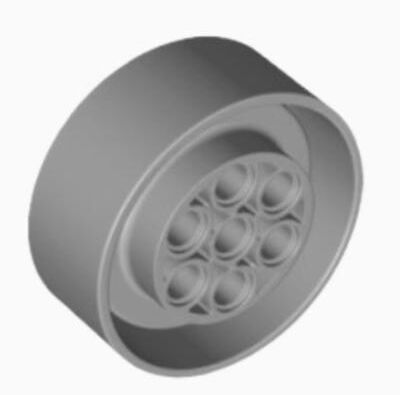
Lush Living Finds Perforated Brick Assembly Toy Accessories With Technology Mechanical Wheels Perforated Brick Assembly Toy Accessories With Technology Mechanical WheelsEnhance Creativity with Technology Mechanical Wheels Unlock the power of innovation with our technology mechanical wheels, designed specifically for perforated brick assembly toy accessories. Whether you are a hobbyist or a seasoned builder, these...43,97 $*Shipping: 0,00 $Secure redirect to the provider
-
Klutz: LEGO GadgetsThis activity kit will have you building 11 machines including a gravity powered car and a wacky boxing robot. The fun doesn't stop once you've completed all of the projects in the book - open-ended prompts will inspire you to continue experimenting...24,99 $*Shipping: 0,00 $Secure redirect to the provider
-
Sesderma Reti Age 5 Liposomal Serum Anti-Aging Innovation 30mLA facial serum for wrinkles and signs of ageing. Reduces wrinkles and fine lines. Hydrates and strengthens barrier. Restores youthful radiance. 5-Retinoid System: smooths wrinkles, accelerates renewal, and boosts collagen. Biomimetic Peptides: fill expression lines by stimulating collagen synthesis.53,26 £*Shipping: 5,22 £Secure redirect to the provider
-
How do you ride the piaffe?
Riding the piaffe requires the rider to have a strong and balanced seat, as well as a clear and independent aids. The rider must use their legs to ask the horse to maintain a rhythmic and elevated trot in place, while also using their seat and hands to maintain the horse's balance and impulsion. It is important for the rider to have a deep understanding of the horse's natural movement and to be able to communicate effectively with the horse to achieve the desired piaffe. Consistent and patient training is also essential to develop the strength and coordination needed for the horse to perform the piaffe correctly. **
-
How should I teach my horse the piaffe?
Teaching a horse the piaffe requires patience, consistency, and proper training techniques. Start by establishing a strong foundation in basic dressage movements and ensuring your horse is responsive to your aids. Break down the piaffe into smaller steps, such as teaching your horse to lift its legs in place and then gradually adding more steps. Use positive reinforcement, such as treats or praise, to reward your horse for correct responses. It is also important to seek guidance from a qualified dressage trainer to ensure you are using the correct techniques and to monitor your progress. **
-
What are the differences between Piaffe and Passage?
Piaffe and Passage are both advanced dressage movements performed by a horse, but they have distinct differences. The piaffe is a highly collected and elevated trot in place, where the horse lifts its legs off the ground and maintains a rhythmic, cadenced movement. In contrast, the passage is a highly collected and elevated trot with a longer stride, where the horse exhibits more forward movement and suspension. The piaffe is performed in place, while the passage has a more forward and dynamic quality. Both movements require strength, balance, and precision from the horse, but they have different characteristics and purposes in dressage. **
-
What is the difference between bending and piaffe?
Bending and piaffe are both movements in dressage, but they are different in their execution and purpose. Bending refers to the lateral flexion of the horse's body, where the horse is asked to flex its body around a curved line, usually in a circle or a serpentine. This helps to supple the horse's body and improve its flexibility. On the other hand, piaffe is a highly collected and elevated trot in place, where the horse lifts its legs off the ground and maintains a rhythmic, cadenced movement. Piaffe is a highly advanced movement that requires a great deal of strength and balance from the horse. **
Similar search terms for Piaffe
-
Multisell Products Hub Magnetic Bottle Opener For Household Mineral Water Plastic Beverage Bottles And Cap Opening, Kitchen Accessories Gadgets blueEffortless Cap Opening for Everyday Kitchens Upgrade your routine with this 1 pcs Kitchen Accessories Gadgets Magnetic Bottle Opener for Household Mineral Water Plastic Beverage Bottles and Cap Opening designed for convenience and comfort. It makes...34,97 $*Shipping: 0,00 $Secure redirect to the provider
-
Hikmicro MINI2 V2 Thermal Imaging Camera for SmartphonesHikmicro MINI2 V2 Thermal Imaging Camera for Smartphones (Mini2-Series-V2) The Hikmicro MINI2 V2 Thermal Imaging Camera turns a smartphone into a professional thermal imager. With its high-resolution 256 x 192 VOx sensor (49,152 pixels) and SuperIR image enhancement, it produces clear thermal images for diagnostics, inspections and everyday problem-solving. Suited to HVAC engineers, electricians, plumbers, homeowners and hobbyists, the MINI2 V2 is compact, lightweight and battery-free, powered directly from the connected phone. It measures -20°C to 400°C for reliable results across a wide range of applications, with no screen of its own — all viewing and control happens through the smartphone via the HIKMICRO Viewer app. Key Features & Benefits High Thermal Resolution:186,00 £*Shipping: 0,00 £Secure redirect to the provider
-
Of Wheels Deals Car Cup Holder Expander With Phone Storage For Bottles Cups & Smartphones Car Cup Holder Expander With Phone Storage For Bottles Cups & SmartphonesBring more comfort and less clutter to every drive with the 1 pc of Car cup holder expander that keeps your drink and phone within easy reach. This practical 2in1 organizer is designed for drivers who want a cleaner, more organized vehicle without...41,97 $*Shipping: 0,00 $Secure redirect to the provider
-
HARPERCOLLINS Creative Confidence by Tom & David Kelley – Unleashing Your Creative Potential & Innovation MindsetA powerful and inspiring book from the founders of IDEO, the award-winning design firm, on unleashing the creativity that lies within each and every one of us. Too often, companies and individuals assume that creativity and innovation are the domain of the ‘creative types’. But two of the foremost experts in innovation, design and creativity on the planet show us that each and every one of us is creative. In an entertaining and inspiring narrative that draws on countless stories from their work at IDEO, and with many of the world's top companies and design firms, David and Tom Kelley identify the principles and strategies that will allow us to tap into our creative potential in our work lives, and in our personal lives, allow us to think outside the box in terms of how we approach and solve problems. ‘Creative Confidence’ is a book that will help each of us be more productive and successful in our lives and in our careers.4,95 £*Shipping: 1,99 £Secure redirect to the provider
-
Where do passage, piaffe, lateral movements, etc. occur in a horse's natural behavior?
Passage, piaffe, lateral movements, and other advanced dressage movements do not occur naturally in a horse's behavior in the wild. These movements are highly trained and refined exercises that are taught to horses through dressage training. In their natural behavior, horses may exhibit some lateral movements for communication or evasion purposes, but they do not perform the collected and controlled movements seen in dressage. **
-
Where do Passage, Piaffe, Lateral movements, etc. occur in a horse's natural behavior?
Passage, piaffe, lateral movements, and other high-level dressage movements do not occur naturally in a horse's behavior in the wild. These movements are highly trained and refined exercises that are developed through years of training and practice. In the wild, horses may exhibit some similar movements such as trotting, cantering, and moving laterally to avoid obstacles or communicate with other horses, but the precision and collection required for dressage movements are not part of their natural repertoire. **
-
Where do Passage, Piaffe, lateral movements, etc. occur in a horse's natural behavior?
Passage, piaffe, lateral movements, and other advanced dressage movements do not occur naturally in a horse's behavior in the wild. These movements are developed through training and are not typically seen in a horse's natural repertoire of movements. Horses in the wild may exhibit some lateral movements for communication or evasion purposes, but the highly collected and controlled movements seen in dressage are a result of specific training techniques. **
-
Where do movements like Passage, Piaffe, Lateral movements, etc. occur in a horse's natural behavior?
Movements like Passage, Piaffe, and Lateral movements do not occur naturally in a horse's behavior in the wild. These movements are advanced dressage exercises that are taught and trained by humans for performance purposes. In the wild, horses may exhibit behaviors such as walking, trotting, cantering, and galloping as they move around their natural environment. **
* All prices are inclusive of VAT and, if applicable, plus shipping costs. The offer information is based on the details provided by the respective shop and is updated through automated processes. Real-time updates do not occur, so deviations can occur in individual cases. ** Note: Parts of this content were created by AI.